The days are getting shorter, artificial lighting switches on earlier, and often stays on longer. In many buildings, that can only mean one thing: invisible energy waste. Unnecessarily lit meeting rooms, corridors no one walks through, parking lots flooded with light even at night… it happens more often than we think.
But this doesn’t have to be an unavoidable consequence of autumn – quite the opposite. With smart lighting control, we can perfectly match lighting to the actual use of a space or outdoor area. Presence detection, daylight-responsive dimming, and centralised control via apps or dashboards make it possible to illuminate exactly when and where it’s needed – and nowhere else.
In this blog, we explore how smart lighting controls help prevent waste, save energy, and at the same time improve comfort and safety. Because smart lighting isn’t just smart for the building, it benefits users and the environment too.
The challenge: lighting during autumn and winter
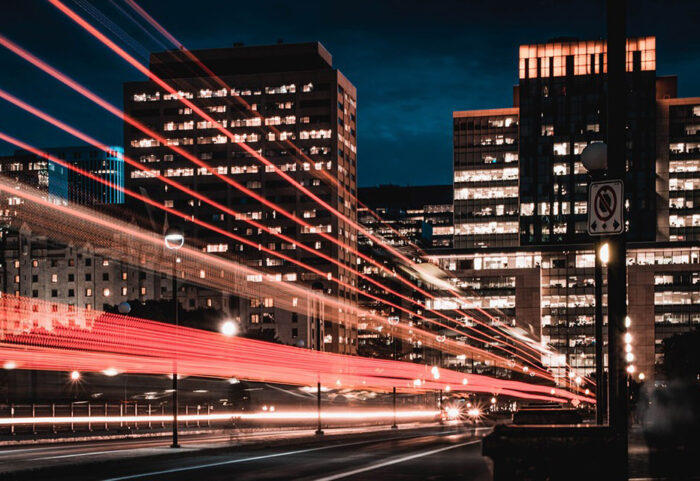
As autumn sets in, lighting usage in buildings changes significantly. While natural daylight often suffices well into the afternoon during summer, artificial lighting becomes essential much earlier in the day as the seasons shift. In offices, schools, warehouses, healthcare facilities, and sports venues, lights come on sooner – and stay on longer.
The result? A sharp increase in energy consumption for lighting – often without anyone noticing. Lighting that switches on too early in the morning, spaces that remain fully lit long after closing time, or fixtures running at full brightness day in and day out regardless of occupancy or daylight levels: these are silent wasters of energy, CO₂, and budget.
Many existing systems simply aren’t designed to cope with the seasonal shift in lighting needs. They rely on fixed schedules or manual operation, without considering who is present, how much daylight enters the room, or how a space is actually being used at any given time.
And that’s exactly where things go wrong: lighting doesn’t adapt to human behaviour or changing conditions. Yet that kind of adaptability is the key to energy-efficient and comfortable lighting — especially during the darker months.
What exactly is light waste?
Light waste is often subtle and invisible – but its impact is significant. It refers to situations where lighting is left on unnecessarily, poorly adjusted, or simply consumes more energy than needed. Especially during autumn and winter, when lighting is used more intensively, these losses can add up quickly.
Smart lighting control as a solution
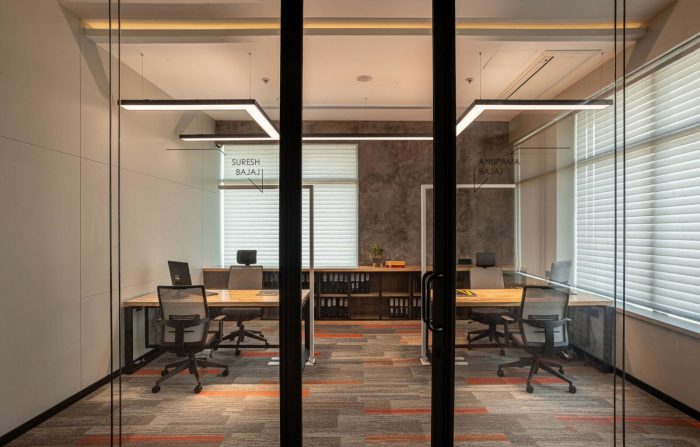
Light waste doesn’t have to be a given – quite the opposite. With smart lighting control, lighting systems can automatically adapt to the actual use of a space. The result? Lighting is always available where it’s needed, and never where it’s not.
At Project Nekton, we implement smart control systems that go far beyond simply switching lights on or off. We create installations that intuitively respond to the building, its users, and the natural light conditions.
Automatic presence sensors
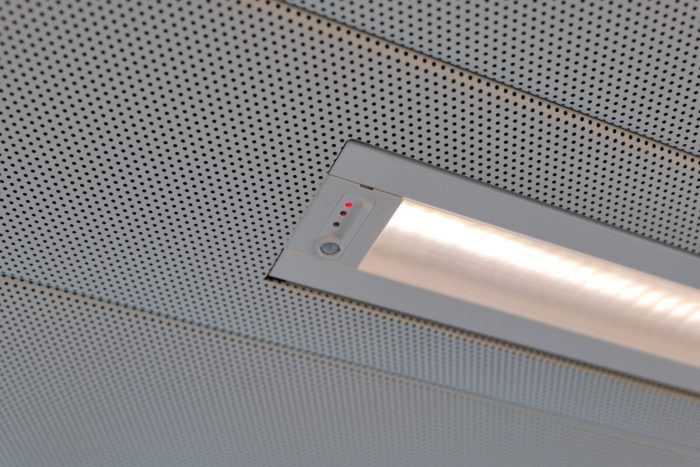
Presence detection is one of the most effective ways to avoid unnecessary lighting. As soon as a room is unoccupied, the lights switch off automatically – no manual action required. Sensors can also be configured per zone, making them ideal for large open areas, corridors, or restrooms.
Daylight-responsive dimming
Lighting doesn’t always need to operate at full intensity. With daylight sensors, artificial lighting adjusts automatically based on the amount of natural light available. On bright days, lights dim down; on dark autumn afternoons, the system scales up. The result: smart lighting, not excessive lighting.
Time-based lighting scenarios
Using smart software or mobile apps, lighting scenarios can be scheduled according to the time of day or day of the week. Think of an evening mode with lower intensity, or a nighttime setting where only essential zones remain lit. Special use cases, like cleaning or maintenance, can also be integrated.
Zone-based control
Not every space requires the same lighting. With zone control, only the relevant areas of a building are actively lit – for example, by wing, floor, or activity type. This prevents lighting an entire building for just a handful of users.
Central control via apps or dashboards
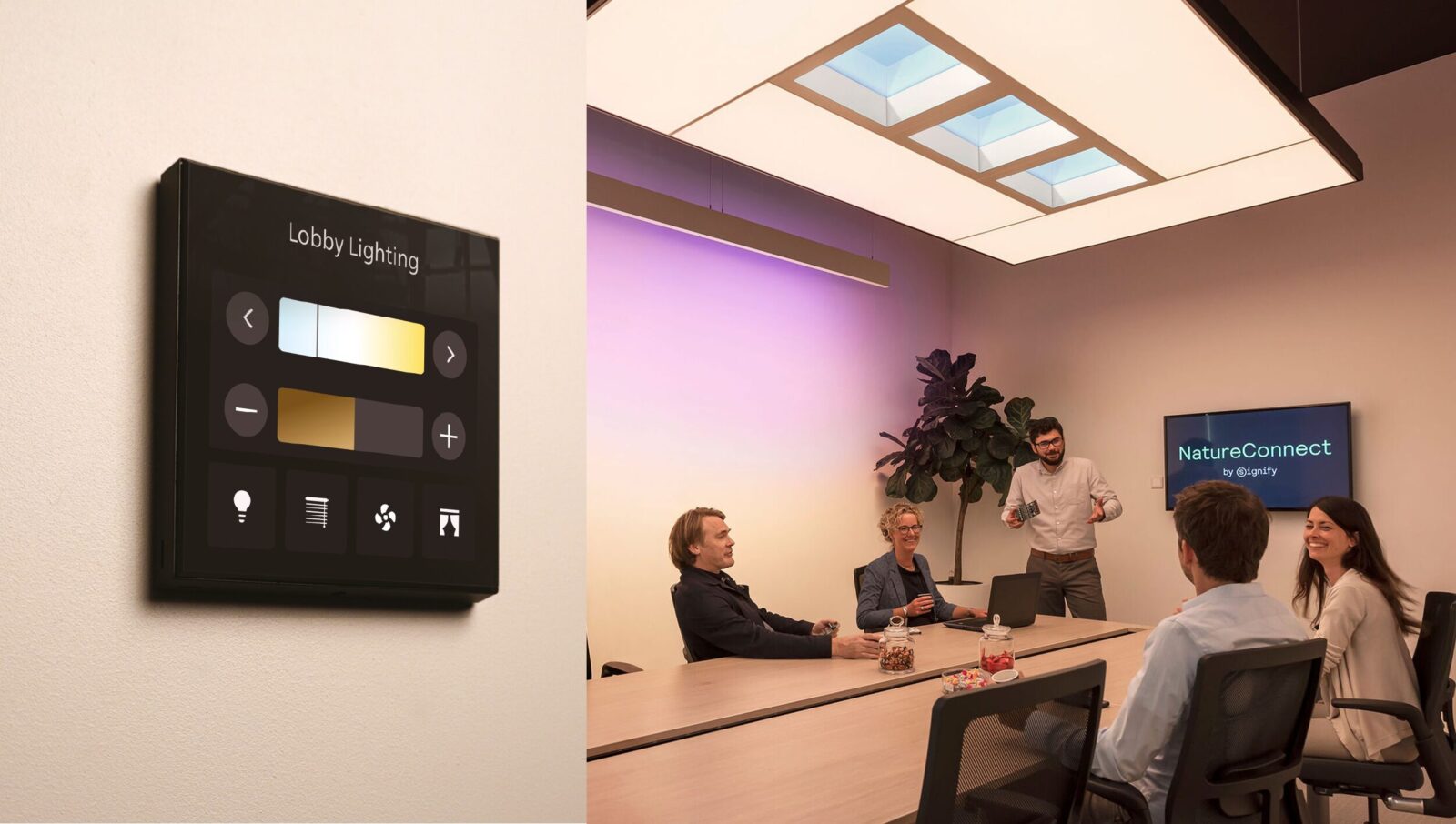
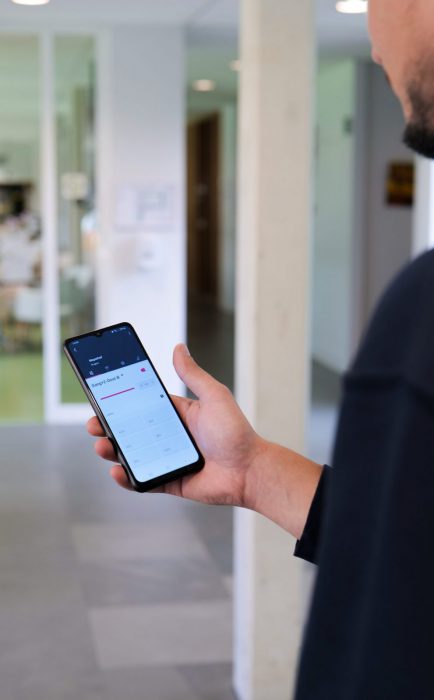
With systems like Casambi or Interact, you gain full control over your lighting through a clear dashboard or mobile app. You can adjust settings, modify lighting scenarios, or consult energy usage data – anytime, anywhere.
The impact: lower consumption, lower CO₂ emissions, more control
Smart lighting control isn’t an abstract concept – it delivers concrete, measurable results. By managing lighting in a targeted way, organisations can drastically reduce energy consumption without sacrificing comfort, safety, or visual quality. In fact, users often experience a more pleasant and better-tailored lighting environment.
Up to 85% energy savings
Multiple studies show that smart lighting control systems combined with LED technology can reduce lighting energy consumption by as much as 85%. Especially in buildings still using conventional lighting or lacking zone control, the savings potential is enormous.
Be sure to check out our case studies for real-world examples
Lower CO₂ emissions
Less energy consumption automatically means lower CO₂ emissions. In an era where sustainability is no longer a luxury but a necessity, this directly contributes to the climate goals of both organizations and governments. It also supports compliance with sustainability certifications such as BREEAM, WELL, or ISO 50001.
Insight through energy data
Modern lighting systems generate real-time data on energy consumption, usage patterns, and performance per room or zone. This allows facility managers to analyse where further optimisations are possible — and to make informed decisions based on hard data.
Compliant with EPBD IV regulations
The new European EPBD IV directive requires larger buildings to implement smart lighting systems with automatic control and energy reporting. By investing in connected lighting today, you’re not only preparing for the future – you’re also avoiding potential fines and extra costs down the line.
EPBD IV Makes Smart Lighting Essential for Energy-Efficient Buildings
Increased safety and comfort
Smartly lit buildings aren’t just more energy-efficient — they’re also safer and more user-friendly. No more unexpectedly dark corners, no harsh lighting in empty rooms — just illumination that responds exactly as it should. Users feel better supported in their activities, which has a direct positive impact on both wellbeing and productivity.
Autumn = the ideal time to take action
Autumn not only brings shorter days, but also reveals the limitations of your current lighting system. While spring and summer offered abundant daylight, inefficiencies and waste become much more noticeable this time of year. Lights switch on too early, stay on longer than necessary, or illuminate spaces that are barely used.
So why act now?
- Lighting behaviour is visibly shifting: With less daylight, artificial lighting use increases — and so does energy consumption. These months clearly reveal where energy is being wasted and where control is lacking.
- The perfect time for an evaluation: Autumn is an ideal moment to schedule a lighting audit. How are your systems behaving? Where is there excessive lighting? Are fixtures still in good condition? Smart lighting upgrades can be implemented before the busy winter season hits.
- Fits within budget and renovation planning: Many organisations are now preparing their budgets or multi-year plans. Investing in smart lighting or planning a relighting project now helps you align with subsidies, framework agreements (such as the VEB contract — where Project Nekton is an official partner!), or long-term sustainability goals.
- Visible added value for users: Good lighting in autumn improves more than just energy performance — it also boosts wellbeing and comfort for employees, students, athletes, or residents. Especially in a season with limited natural daylight, intelligent light management has a direct impact on daily life.
Project Nekton guides you every step of the way
Implementing smart lighting control isn’t just a matter of adding a few sensors or installing an app. It requires a well-thought-out strategy, technical expertise, and a deep understanding of how your building is used. And that’s exactly where Project Nekton makes the difference.
At Project Nekton, we combine in-depth lighting knowledge with hands-on experience in building-wide smart solutions. We work with proven technologies like Casambi, Interact, and other advanced lighting control systems that seamlessly integrate with HVAC, access control, or energy management platforms.
Whether you manage a school, office, sports facility or healthcare institution, we tailor our solutions to your specific context, users, and ambitions.
Our smart lighting systems don’t just reduce energy use — they also deliver:
- Ease of use: Intuitive apps and dashboards for facility managers
- Comfort & safety: Lighting that adapts to occupancy and improves visibility
- A sustainable image: Visible green upgrades that support ESG targets or labels like BREEAM
- Regulatory compliance: Future-proofing your site for EPBD IV reporting requirements
With Project Nekton, you don’t just get an installer – you gain a strategic partner who sees lighting as a powerful lever for sustainability, comfort and control.
Curious where your building is losing light – and how to fix it?
We’re here to help. From initial audit to full smart control, we provide tailored solutions that save energy and put people first.