Lighting used to be purely technical. Lamp broken? Replace it. End of story. But anyone looking at lighting today sees a completely different landscape; what once started as a simple replacement cycle has evolved into a strategic part of building management.
The shift from light for light to smart LED has not been a small step, but a fundamental change in how we view lighting, how we use it, and how we unlock its full potential.

Then: lighting as a consumable product
In the past, lighting was mainly a maintenance issue. Light sources were replaced when necessary, without much strategic consideration.
This typically happened in two ways:
- Spot replacement: a defective lamp was immediately replaced
- Group replacement: all lamps were replaced at once at the end of their lifespan
The logic behind this was simple: light for light. You replace what’s there with something similar. No change in technology, no optimization, just continuity.
Lighting was a cost. Not a lever.
The first revolution: LED for Light
Between 2005 and 2008, this began to change. The introduction of LED technology marked the first real leap forward. Suddenly, it was no longer just about replacing, but about improving:
- Lower energy consumption
- Longer lifespan
- Less maintenance
The concept also changed: the light source became integrated into the fixture. Lighting became less modular, but more performant. For many organizations, this was the first step toward energy efficiency.
Optimization: LED for LED
About ten years later, a new wave followed. First-generation LED installations were replaced by more efficient and sustainable versions.
The focus shifted from “better than before” to optimization:
- Even higher efficiency
- Better light quality
- Greater focus on circularity
- Reuse of materials
But despite these improvements, lighting remained essentially reactive. It turned on when it had to, not when it was needed.
Today: LED for Smart LED
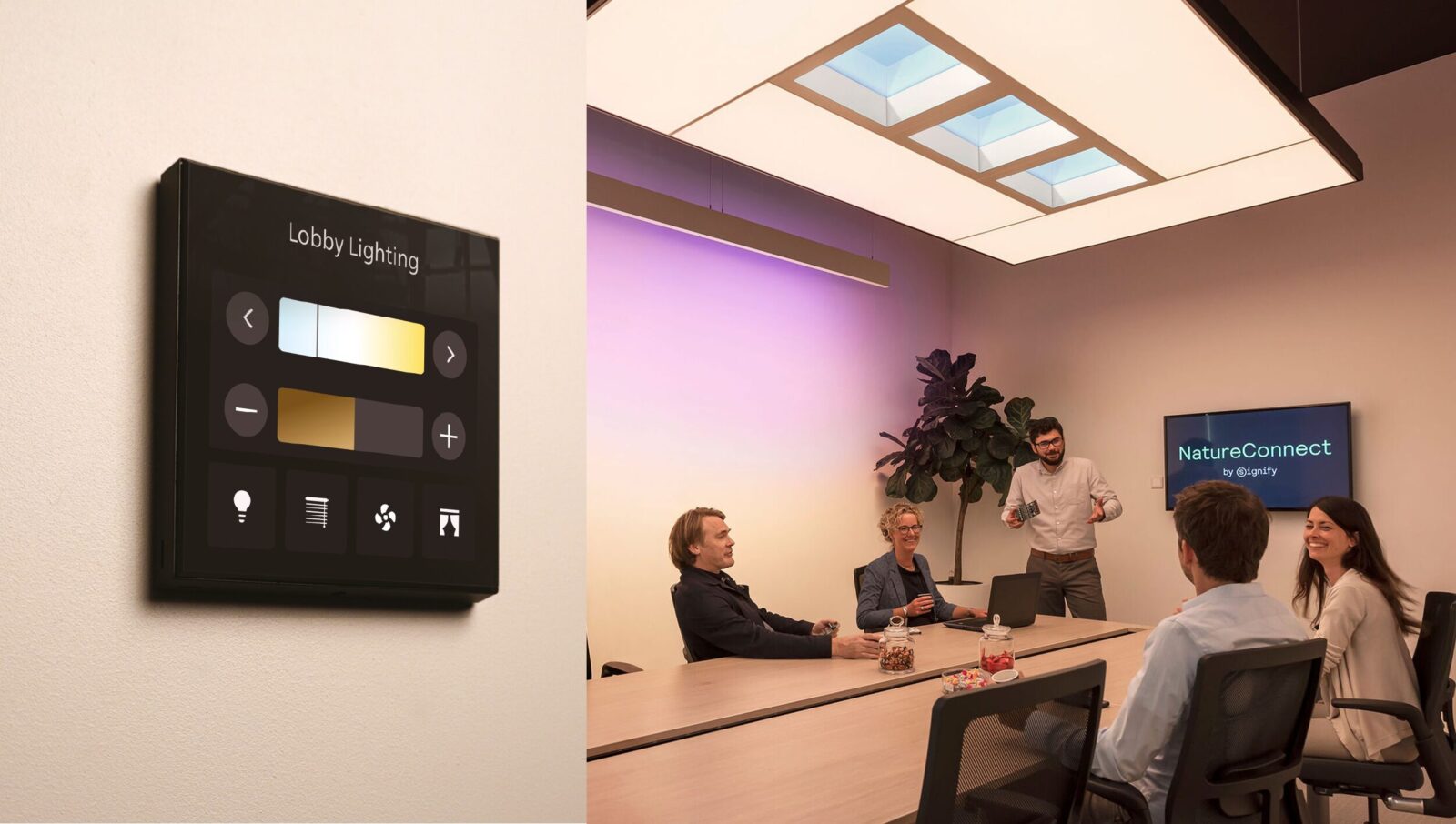
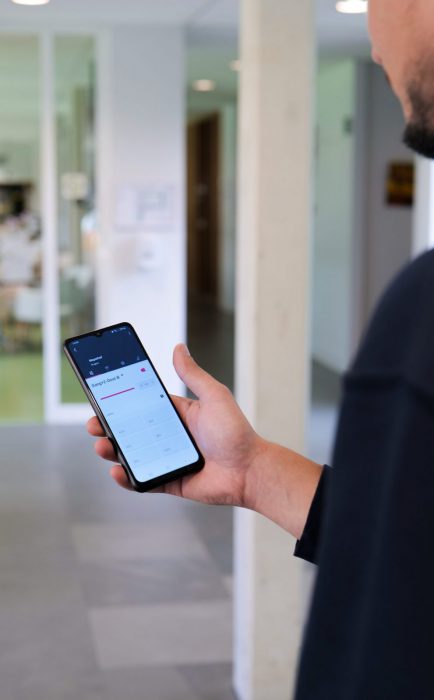
Today, we are in a new phase: LED for Smart LED. This is where lighting stops being a static system and becomes an intelligent part of the building.
Smart lighting systems combine LED technology with:
- Occupancy detection
- Daylight control
- Data collection and analysis
- Automation and centralized control
The result? Lighting that adapts to usage, instead of the other way around.
At Project Nekton, we see this in practice every day: as soon as lighting is intelligently controlled, a completely different dynamic emerges within a building. Not only in terms of energy consumption, but also in comfort, maintenance, and control.




Why this step is so important today
The transition to smart LED is no longer a “nice to have.” It is quickly becoming a necessity. In the coming years (2025–2028), we expect a clear acceleration in the market, driven by European regulations such as:
- EPBD
- BACS
- Energie- en rapporteringsverplichtingen
Lighting must not only be efficient, but also measurable, controllable, and integrable within broader building management systems. In other words, lighting is evolving from a technical installation into a data-driven system layer within smart buildings.
EPBD IV Makes Smart Lighting Essential for Energy-Efficient Buildings
An evolution in four steps
If we summarize the journey, we see a clear evolution:
- Light for Light: Replacement without change
- LED for Light: First step toward energy efficiency
- LED for LED: Optimization of performance and sustainability
- LED for Smart LED: Integration of intelligence, data, and control
Each step builds on the previous one, but the impact increases significantly each time.
The reality today: not everyone is at the same stage
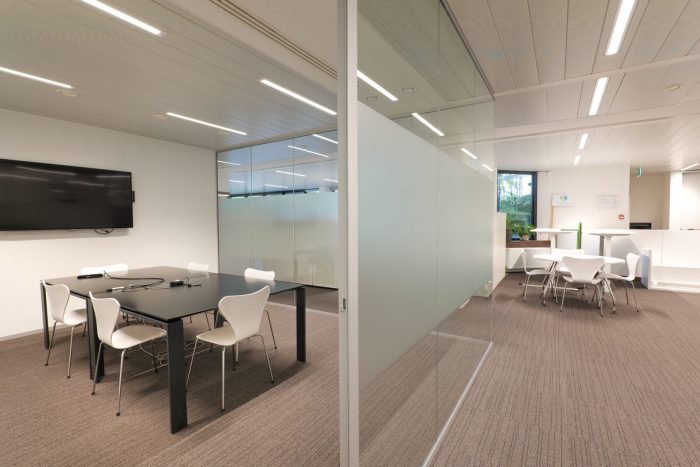
What stands out in practice is that not every organization has gone through this evolution at the same pace. Some companies are still using conventional lighting, such as fluorescent systems. Others have made the switch to LED, but are still missing the intelligence of smart control.
This means that today, multiple generations of technology often coexist within the same market. And that is exactly where the opportunity lies.
From lighting to a strategic lever
The shift to smart LED is not just about technology. It’s about how you look at your building.
Smart lighting:
- Structurally reduces energy consumption
- Reduces maintenance and extends lifespan
- Provides insight into usage and performance
- Improves comfort and safety
- Integrates with other building systems
It becomes a lever for broader goals: sustainability, efficiency and future readiness.
Human Centric Lighting and the Importance of Good Office Lighting
Ready for the next step?
The evolution of lighting doesn’t stop here. But one thing is clear: those who still think in terms of “replacing lamps” are missing the bigger picture. The question is no longer when you switch to smart lighting, but how you take that step the right way.
At Project Nekton, we guide organizations through every phase of this evolution – from analyzing existing installations to implementing smart, scalable solutions.
Want to know where your installation stands today, and what the next logical step is? LED’s talk!