At the begining of March, our team visited Light + Building in Frankfurt, the leading trade fair for lighting and building technology. One thing stood out immediately: smart lighting is no longer a vision of the future, but a present-day reality.
The market is clearly accelerating. Where smart lighting often remained conceptual just a few years ago, we now see a clear shift towards real-world implementation. Regulations such as EPBD are playing a key role in this evolution. The question is no longer whether smart lighting is relevant, but how to implement it correctly and at scale in both existing and new buildings.


Hybrid systems are the new standard
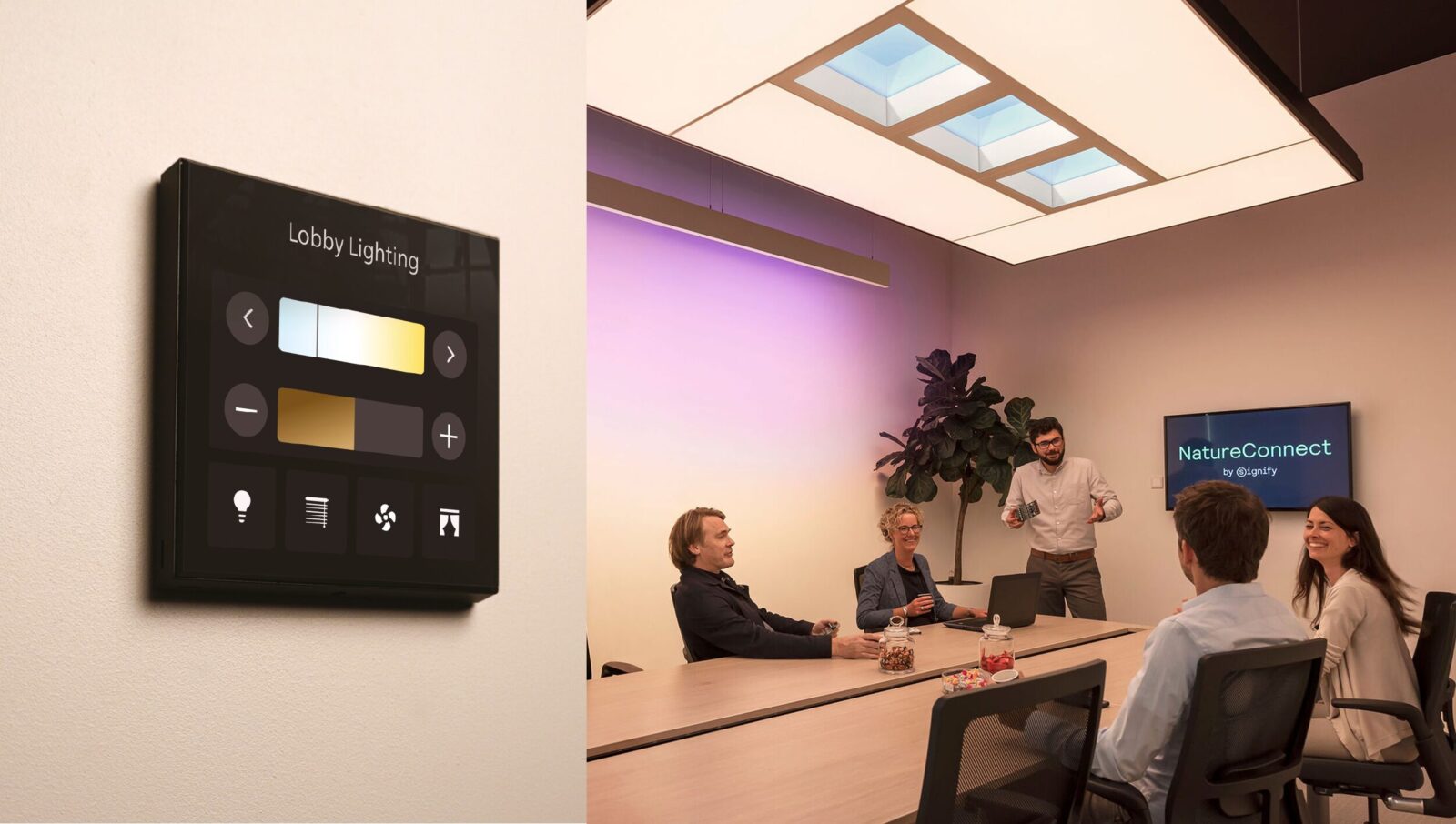
From a technological perspective, the hybrid reality was particularly noticeable. Traditional wired systems continue to play an essential role, especially where stability and room-based control are critical. Solutions like those from Optilon are a good example of this.
At the same time, wireless platforms such as Casambi, Interact and Sylvair are becoming increasingly important. They offer flexibility, scalability and a high level of control, especially in retrofit projects.
The key takeaway? It’s no longer about choosing between wired or wireless. Smart buildings combine both, depending on the use case, context and specific project requirements.
It’s not the product, but the approach that makes the difference
Another striking observation: there is very little real differentiation left at product level. Many luminaires and solutions are converging towards similar standards, both in terms of performance and functionality.
This makes the role of the integrator and the overall approach even more important. Today, the difference is no longer defined by the product itself, but by how it is applied. Suppliers and partners who think proactively, remain flexible and adapt to the client’s context clearly stand out.
We also saw once again how strong collaborations between brands and integrators lead to better solutions. When expertise is combined, the result goes beyond the sum of its parts; 1 + 1 truly becomes 3.


Cross-team insights as added value
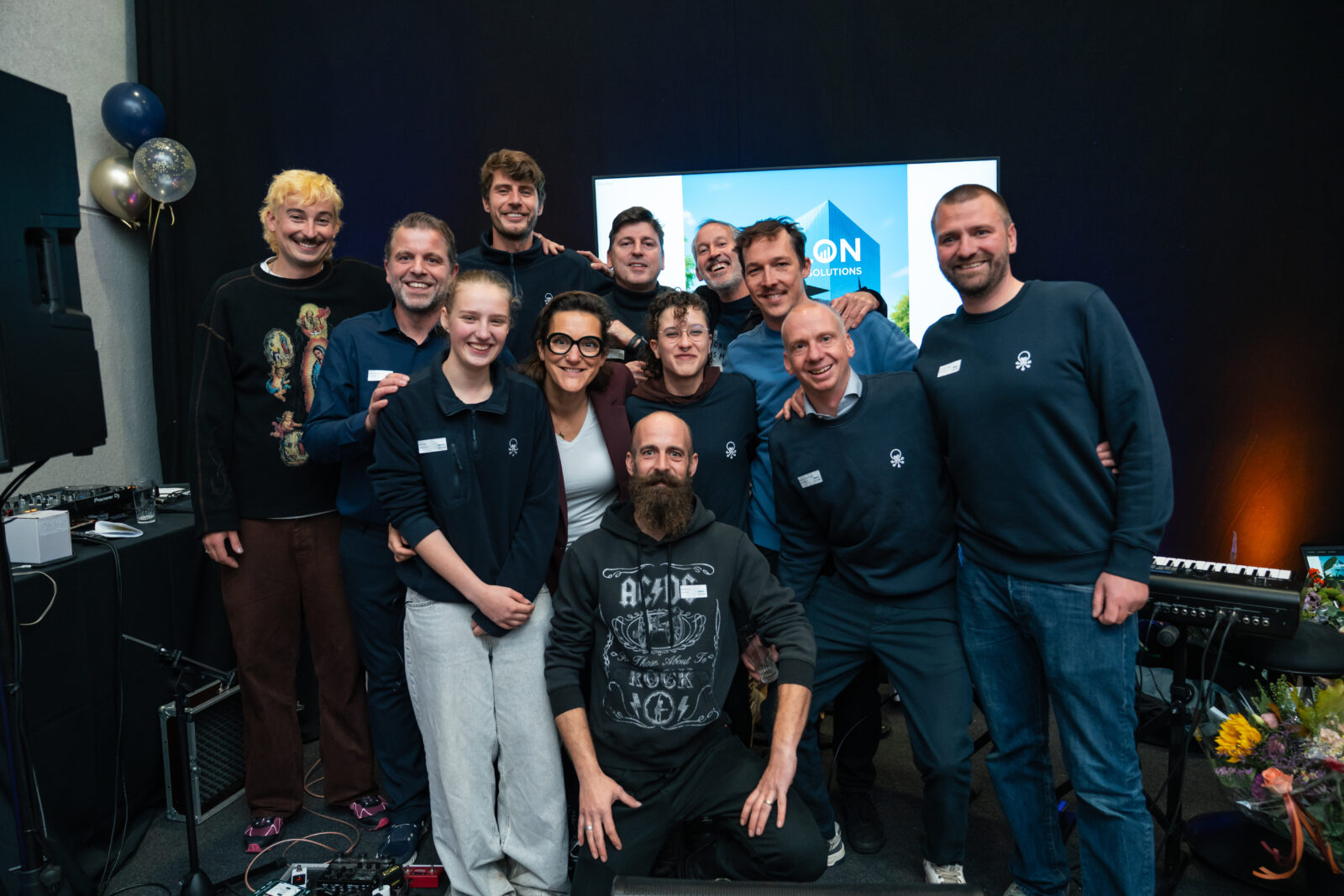
Beyond technology and market insights, events like this are also a valuable opportunity to connect as a team. Colleagues from engineering, project management and sales each look at the same solutions from a different perspective.
While one focuses on technical implementation and feasibility, another looks at design, user experience or customer value. This cross-pollination of insights is at least as valuable as the innovations themselves.
Conclusion: from innovation to implementation
Light + Building 2026 confirms what we’ve been seeing in the market for some time: smart lighting has matured. The focus is shifting from innovation to implementation, from technology to real-world application.
For businesses, this means one thing: those who invest today in smart, integrated lighting solutions are not only improving energy efficiency, but also building flexibility, comfort and future-proof infrastructure.