“Yes of course we’re investing in the energy transition, we have installed solar panels on our roof and electrified our fleet!” It’s a common answer, and while these are important and necessary steps, one crucial element is often missing: a broader, strategic approach.
If you want to make real progress in the energy transition, start at the beginning: reduce energy consumption. Every kilowatt-hour you don’t use is one you don’t have to generate or offset.
In this blog, we explore how businesses can take a smart approach to the energy transition using the proven Trias Energetica framework — with a central role for energy efficiency, smart technologies, and sustainable buildings.
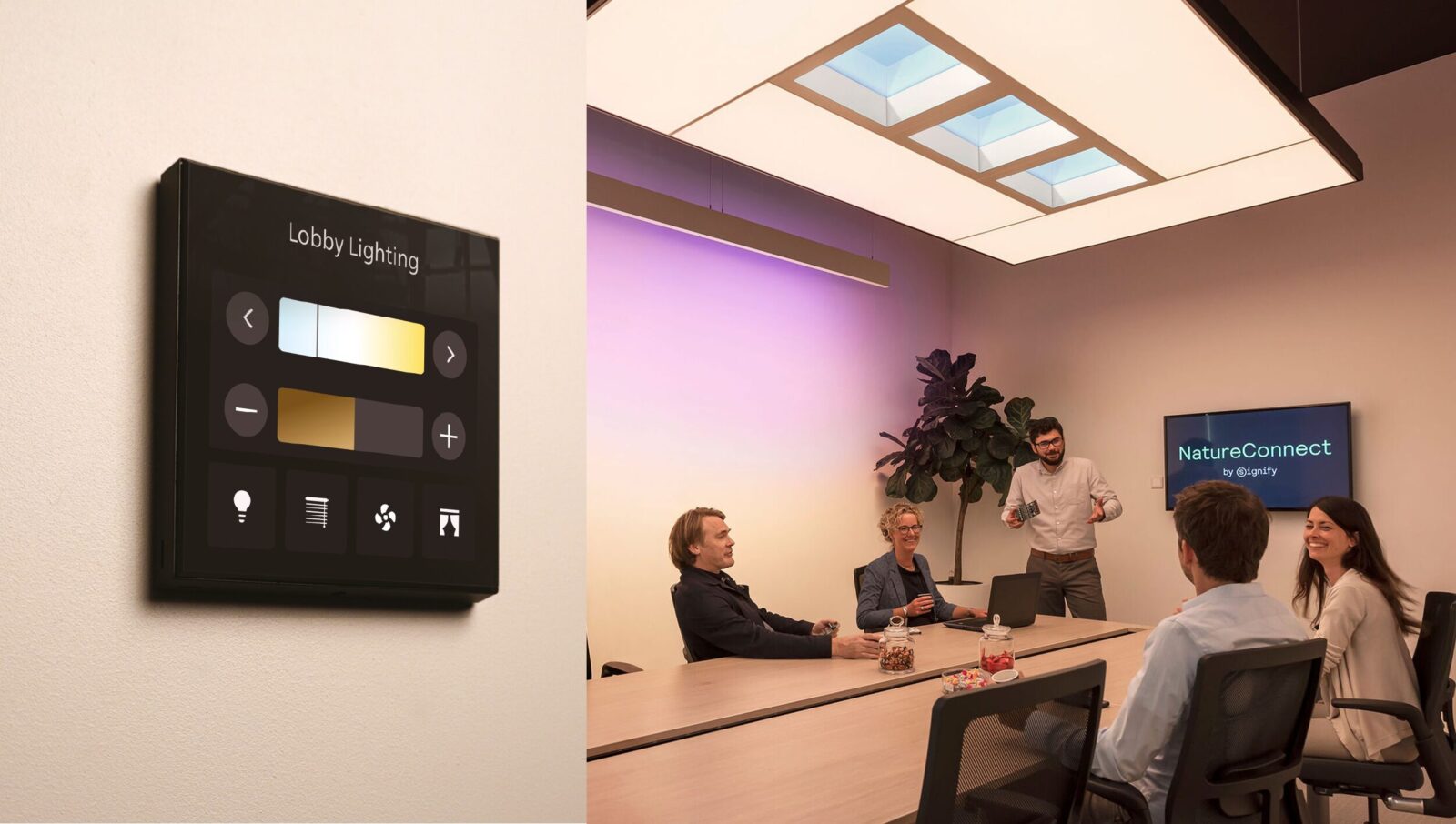
Signify NatureConnect & Dynalite
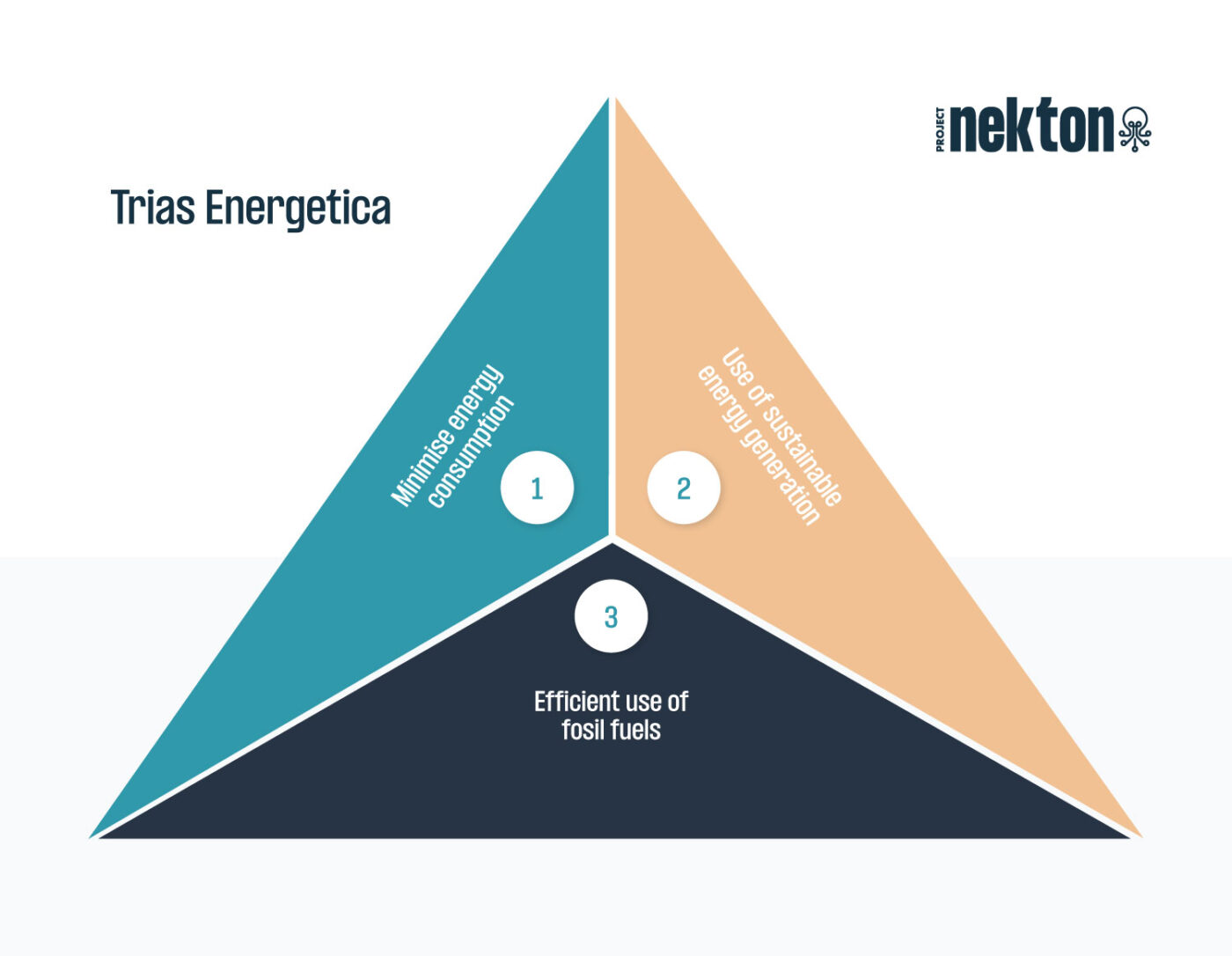
The three pillars of a smart energy transition (Trias Energetica)
ompanies today have many choices when it comes to sustainable energy: solar panels, heat pumps, electric vehicles, energy storage… But where do you begin? The Trias Energetica model has provided a clear and structured answer for years.
This simple yet effective three-step plan helps you prioritize investments correctly—with the goal of using energy as efficiently as possible and structurally reducing your CO₂ footprint.
What is Trias Energetica?
Originally developed at TU Delft, the model consists of three sequential steps:
- Reduce energy consumption: Avoid waste by working efficiently. Every kilowatt-hour you save is one you don’t need to generate or offset.
- Use renewable energy sources: Provide what you still need using renewable sources such as solar or wind energy.
- Use fossil fuels as efficiently as possible: For remaining energy needs that can’t yet be met sustainably, choose the least polluting options.
Why the model is still relevant
Although the Trias Energetica model has been around for decades, it’s more relevant than ever. Many companies skip step 1—reducing—and immediately focus on installing solar panels or EV charging points. But without addressing energy efficiency first, consumption remains unnecessarily high, and investments often deliver less return than they could.
In other words: the energy transition doesn’t start on your rooftop, it starts inside your building.
Step 1 in practice: Start by consuming less
The first and most impactful step of the Trias Energetica model is simple: consume less energy. But how do you do that in practice? The key lies in modernizing your infrastructure and leveraging smart technologies that prevent waste and optimize usage, without compromising comfort.
Smart investments, major impact
Here are some technologies that have a direct impact on energy consumption:
- LED lighting: Uses up to 80% less energy than traditional lighting, lasts longer, and requires less maintenance.
- Smart lighting control: With occupancy sensors, daylight harvesting, and centralized control via apps or dashboards, lights only operate when and where needed—avoiding “invisible” waste while improving comfort and safety.
- Efficient HVAC systems: Modern systems consume much less energy and maintain optimal indoor climates. Combine with smart control for zone-specific management.
- Heat pumps: Extract energy from the environment for heating and cooling—up to four times more efficient than conventional systems.
- Building insulation: Quality insulation reduces the need for heating and cooling. Think retrofitting roofs, walls, and windows—especially in older buildings.
- IoT-based energy management: Smart sensors and monitoring tools provide real-time insight into energy consumption per room or system, enabling quick optimization.
Efficiency is the foundation of every sustainable investment

Without reducing first, your solar panels or other renewable investments will deliver less impact. Every kilowatt-hour saved is one you don’t have to produce or store. That’s why it’s critical to maximize building efficiency first – generation and optimization come next.
Smart technology as a driver of energy efficiency
Today’s technology goes far beyond traditional energy savings. With smart lighting, sensors, and building management systems, businesses are evolving into true smart buildings: environments that actively think, measure, and adjust. The result? Lower consumption, more comfort, better control, and real-time insight.
What makes a building smart?
A smart building uses digital technologies such as IoT, AI, and data analytics to continuously optimize operations. For example:
- Smart sensors that detect light, temperature, air quality, and occupancy, and automatically adjust systems.
- AI-powered control systems that analyze consumption patterns and autonomously fine-tune processes.
- Interactive dashboards that give facility managers real-time insights into usage, occupancy, and performance.
- Smart lighting integrated with other systems (like HVAC or sunshades) to illuminate only when needed.
- Smart grids and energy storage that stabilize peaks and troughs in demand.
Why investing in smart buildings pays off
- Efficient energy management: Automated control based on occupancy and daylight avoids unnecessary usage.
- Comfort and productivity: Well-regulated environments improve employee well-being and focus.
- Scalability: Smart systems grow with your building or organization.
- Future-proofing: You comply with regulations like EPBD IV and build toward a resilient infrastructure.
Smart technology isn’t a luxury – it’s a strategic lever for sustainable growth and energy savings.
In line with EU ambitions: the EU Green Deal and EPBD
The European Union has set a clear course through the EU Green Deal and the revised EPBD (Energy Performance of Buildings Directive): by 2050, all buildings must be climate-neutral. For businesses, that means accelerating the energy transition—with action required on efficiency, smart technologies, and data reporting.
What do the regulations entail?
The EU Green Deal is the overarching plan to make Europe the first climate-neutral continent. A major focus is building sustainability—currently responsible for 40% of EU energy use.
EPBD IV requires large non-residential buildings to measure, monitor, and report energy use. Lighting must be smart-controlled using presence detection and daylight sensors.
These rules aren’t optional: they come with deadlines, reporting obligations, and increasingly strict standards. Early investment helps you avoid fines, benefit from subsidies, and position your company as a sustainability leader.
EPBD IV Makes Smart Lighting Essential for Energy-Efficient Buildings
Business benefits of acting early
By embracing smart energy tech now, you:
- Meet EU requirements faster
- Maximize available subsidies or framework contracts
- Position yourself as a sustainable, forward-looking business with a strong ESG score
- Avoid last-minute investments or rushed retrofits when rules become mandatory
The energy transition is no longer optional—it’s urgent. And early movers stand to gain the most.
The Hidden Value of Energy Efficiency
Energy efficiency is no longer just about lower utility bills. Smart investments in efficiency yield a wide range of benefits—from happier employees to increased property value.
More comfort = more productivity
A smart-controlled building ensures a comfortable temperature, good lighting, and a quiet environment. That improves both well-being and productivity. Consider:
- Smart lighting that adapts to daylight and occupancy
- Efficient HVAC systems that regulate temperature room by room
- Better indoor air quality through sensor-controlled ventilation
Companies that invest in people’s comfort reap the rewards through higher retention, motivation, and satisfaction.
Higher real estate value
Energy-efficient smart buildings are more attractive to buyers, tenants, and investors. They score better on certifications like BREEAM, WELL, and LEED, and meet ESG criteria that increasingly influence real estate and investment decisions.
Prepared for future regulations
Governments are tightening energy and sustainability standards. By investing now in efficient technologies and reporting systems, you avoid last-minute stress, penalties, or costly retrofits. Proactive planning brings long-term security – financial and legal.
A stronger brand image
Finally, sustainability sells. Customers, partners, and investors are scrutinizing corporate environmental impact. By visibly committing to energy efficiency, your company demonstrates leadership and builds a future-proof reputation.
Conclusion: A smart approach for a sustainable future
The energy transition is a challenge every business must face – but it’s also an opportunity to save, modernize, and prepare for the future. The Trias Energetica framework—first reduce, then generate, and finally optimize—brings structure and momentum to your strategy.
Energy efficiency is the essential first step. Investing in smart lighting, HVAC, building management, and insulation delivers measurable results right away. But the real value lies in the total package: more comfort, more control, lower CO₂, and a stronger brand as a sustainable organization.
Curious to see where your business could save and optimize? Project Nekton is here to help. We combine technical expertise with a strategic view on smart buildings and sustainable energy.
Let’s build a more efficient and future-ready infrastructure – together!