At Project Nekton, we believe sustainability goes beyond energy savings. While reducing consumption is important, we take a broader, long-term view: we design and implement lighting solutions that are not only efficient today, but remain smart, serviceable, and sustainable well into the future. This is where circular thinking comes in.

Why circular lighting matters
Lighting is everywhere: in offices, warehouses, care centers, schools and public spaces. But too often, lighting systems are treated as disposable – replaced entirely at the end of their life, with little thought given to reuse or reconfiguration.
We challenge that mindset.
Circular lighting means designing with longevity, flexibility, and reuse in mind. It means creating solutions that can evolve with your space and adapt over time, instead of being ripped out and replaced. It’s a smarter use of resources, and it’s better for both your bottom line and the planet.
How we apply circular principles
From the very start of each project, we look for ways to embed circularity:
1. Smart reuse of existing infrastructure
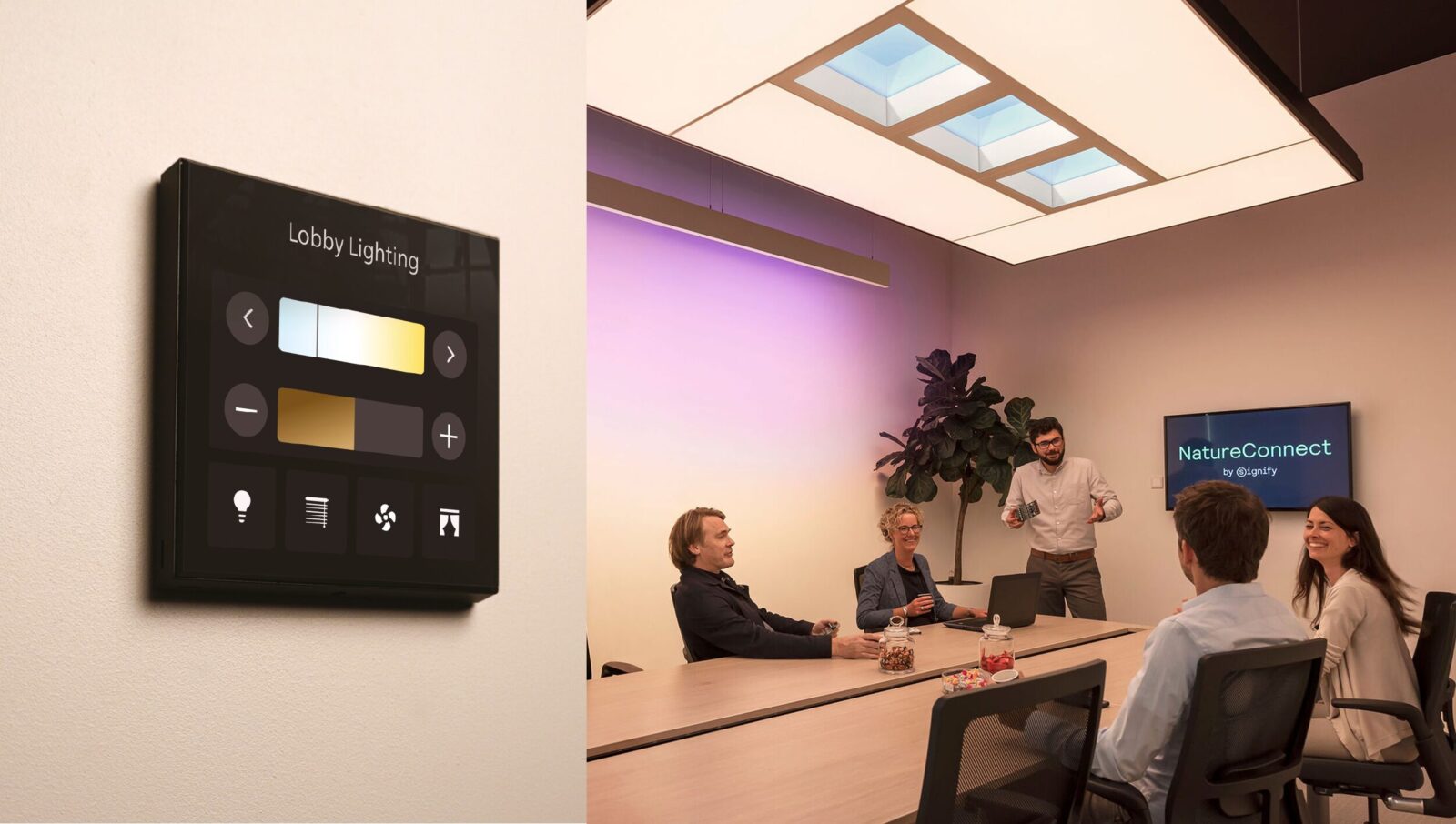
We reuse as much as we can: existing power lines, mounting points, or lighting layouts. With wireless technologies like Casambi or Interact, we can upgrade to smart systems without tearing down walls or adding new cabling.
2. Modular components
Our systems are built to be maintainable and upgradeable. Instead of replacing an entire fixture, we can replace a single driver or light source. This reduces waste, costs and downtime.
3. Durable, future-proof materials
We choose materials that last. Not just in terms of lifespan, but also compatibility – making sure they fit into evolving lighting standards and control systems.


4. Ready for a second life
At the end of a system’s service life, we assess which components can be reused or recycled. Fixtures, sensors, cabling or control units can often be reconfigured in a new setup, or given a second life elsewhere.
More than sustainability
Yes, circular lighting helps reduce environmental impact. But it also leads to smarter investments:
- Lower total cost of ownership over time
- More adaptable spaces
- Less disruption during upgrades or expansions
It’s about lighting that grows with your organisation.
Circularity beyond the installation: What happens at end of contract?
Circular thinking doesn’t stop once your lighting system is installed — and neither do we. As you approach the end of your contract with Project Nekton, our commitment continues. We design systems that minimise environmental impact throughout their lifecycle, so we also provide flexible circular pathways when your contract concludes.
Whether you want to:
- Reuse your full lighting system as is
- Repurpose components in another location or department
- Take full ownership of the installation
…we guide you through each option with transparency and care. This ensures valuable materials remain in use longer, reducing waste and supporting a truly circular economy. High‑quality products deserve a second life — and we help make that possible.

Lighting for a responsible tomorrow
Circularity is more than a philosophy for us; it’s part of our brand DNA, our processes and our everyday decisions. It guides how we design, install, optimise, and eventually transition systems at the end of a contract.
Because sustainable lighting isn’t only about saving energy — it’s about building responsibly for tomorrow, together.
We’re here to help you take the first (or next) step!